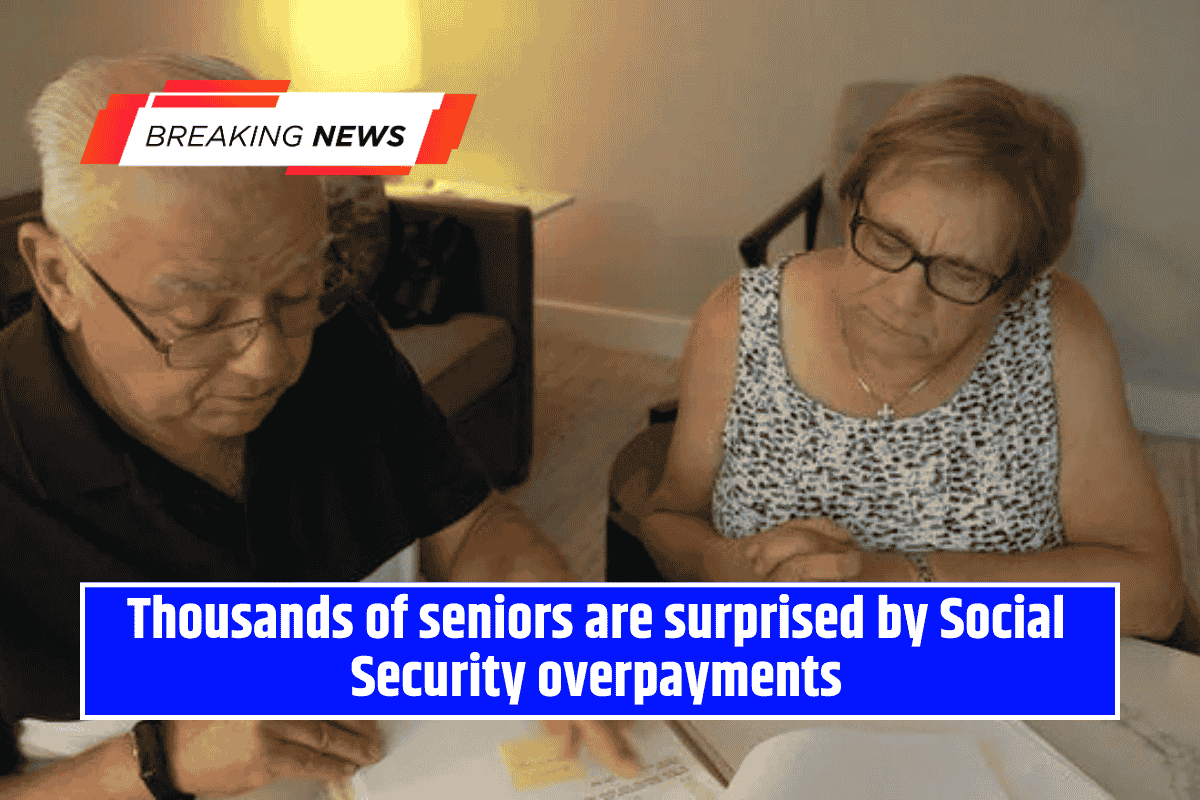
For many retirees, Social Security benefits are their financial lifeline. Yet, unexpected letters from the Social Security Administration (SSA) demanding repayment can quickly turn stability into crisis. Rita Thompson, a 76-year-old from Sarasota, Florida, was shocked to learn she allegedly owed the SSA over $3,000.
“I couldn’t believe it. I’ve been budgeting based on what they’ve been giving me, and now they say I owe them money I’ve already spent?” she recalls.
How Overpayments Occur
Overpayments are surprisingly common and can result from:
- Clerical or administrative errors
- Delayed processing of reported changes
- Income changes not immediately reflected in SSA records
These miscalculations often go unnoticed until a repayment notice arrives, leaving seniors scrambling to address debts they didn’t know existed.
Systemic Issues and Personal Impacts
The problem isn’t only financial—it’s deeply emotional. Overpayment notices bring stress, confusion, and uncertainty. Seniors like Rita find themselves overwhelmed, unsure of how the overpayment was calculated or how they can possibly repay the money on fixed incomes.
Navigating Bureaucracy
Resolving overpayments means navigating SSA’s bureaucracy. Seniors often spend hours on phone calls or making multiple trips to local SSA offices. For many, the process feels like an endless maze, fueling frustration and despair.
Legal and Financial Advice
Experts emphasize the importance of seeking help immediately:
- Consult legal or financial advisors
- Explore the right to appeal the overpayment decision
- Negotiate repayment plans if repayment is unavoidable
Non-profit organizations also provide free counseling and guidance to help seniors through the appeals process or repayment negotiations.
Preventive Measures
To reduce the risk of overpayment, seniors are advised to:
- Promptly report income and life changes to SSA
- Keep thorough records of all SSA communications
- Regularly review Social Security statements for errors
These proactive steps can help catch mistakes before they escalate.
Broader Implications
The issue points to systemic flaws within the SSA. Advocates argue that better communication, improved technology, and staff training are urgently needed to prevent overpayments.
User-friendly digital tools and more transparent processes could ease the burden on seniors and reduce costly errors.
Looking Ahead
Social Security reform discussions increasingly highlight the human cost of overpayments. As policymakers, advocacy groups, and communities rally for change, there is hope for a future where seniors can trust in the accuracy and fairness of their benefits.
FAQs
What causes Social Security overpayments?
Overpayments can occur due to clerical errors, delays in processing changes, or unreported changes in income or living arrangements. These mistakes often go unnoticed until the SSA issues a repayment notice.
Do I have to repay a Social Security overpayment?
In most cases, yes. However, you may have options to appeal the decision, request a waiver, or negotiate a repayment plan if immediate repayment is not possible.
How can seniors avoid Social Security overpayments?
Seniors can reduce the risk of overpayments by promptly reporting any changes in income, marital status, or living situation, keeping records of all SSA communications, and reviewing benefit statements regularly.
What should I do if I receive an overpayment notice from the SSA?
Seek immediate legal or financial advice, review the notice carefully, and explore options for appeal or repayment arrangements. Non-profit organizations often offer free counseling for seniors facing this issue.
Are there reforms being discussed to prevent Social Security overpayments?
Yes. Advocates are pushing for improved SSA communication systems, better staff training, and more user-friendly digital tools to reduce errors and make the process more transparent for beneficiaries.