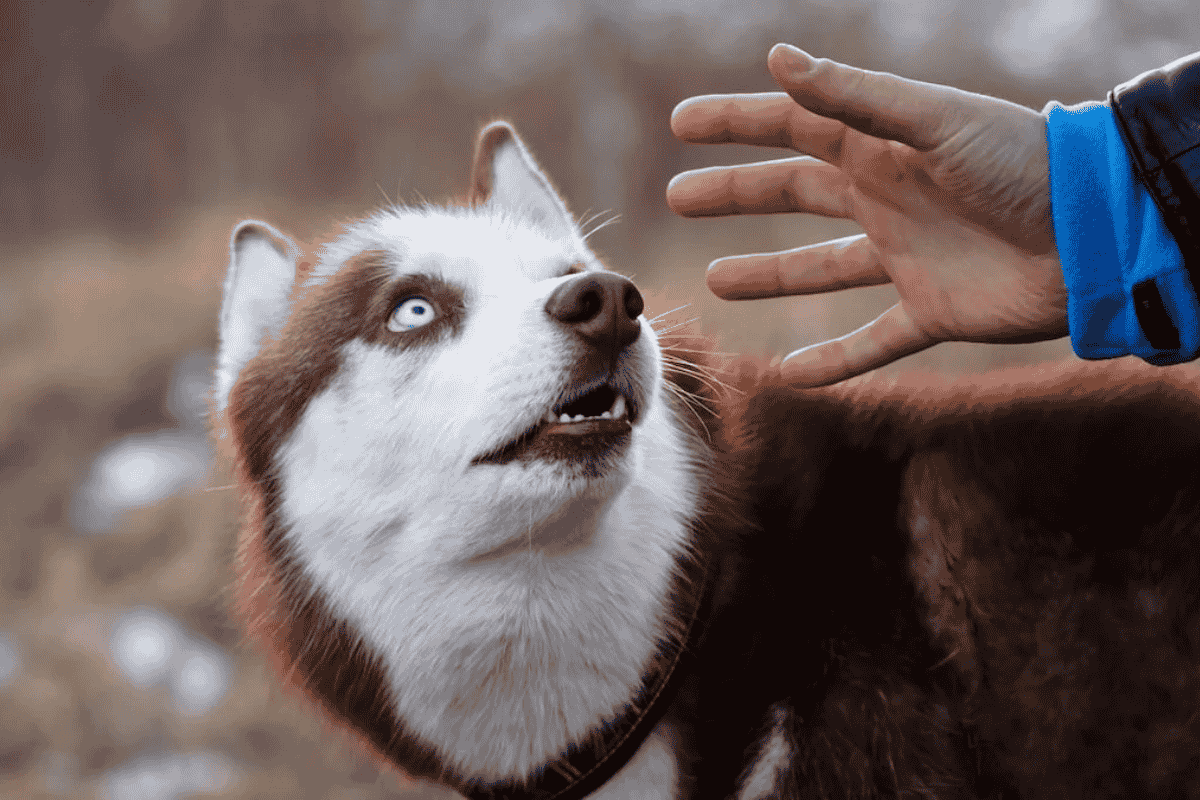
Many dogs enjoy being petted, groomed, or cuddled—but not all do. A dog sensitive to touch may shy away from handling altogether or only dislike certain areas, such as their paws or ears, being touched.
This sensitivity isn’t unusual, and while it can stem from a variety of causes, the good news is that with patience, training, and positive reinforcement, you can help your dog become more comfortable with handling.
Why Dogs May Be Sensitive to Touch
A dog’s aversion to touch can be influenced by past experiences, health issues, or lack of early socialization. Some common reasons include:
- Painful grooming experiences: A dog whose nails were cut too short (to the quick) or whose matted coat caused discomfort may associate touch with pain.
- Poor coat condition: Mats tugging at the skin or overdue grooming can make handling unpleasant.
- Limited socialization: Dogs not exposed to gentle handling as puppies may not develop comfort with touch later in life.
- Unknown past trauma: For adopted dogs, the cause may remain a mystery, but the approach to helping them remains the same.
Helping a Dog Become Comfortable With Touch
The first step is to rule out any medical causes. If your dog is in pain, no amount of training will resolve the issue. Once cleared by a veterinarian, you can begin gentle desensitization training:
- Set the scene: Play calming music, limit distractions, and prepare high-value treats.
- Build positive associations: Offer treats while your dog is relaxed. Signs of tension—such as lip licking, head turning, or panting—mean it’s time to slow down.
- Start small: Touch areas your dog already tolerates (such as shoulders or neck) and reward them. Gradually expand to more sensitive spots over several sessions.
- Keep sessions short: Begin with just 5 minutes, adding time only as your dog shows comfort and relaxation.
Handling Sensitive Body Parts
If your dog dislikes having certain areas (like paws or ears) touched, work gradually:
- Begin by touching a neutral area (e.g., shoulder), then slowly move closer to the sensitive spot.
- Lightly touch the area for only a second or two while giving a stream of treats.
- Remove your hand and stop the treats before your dog grows uncomfortable.
- Repeat, slowly increasing duration over time.
This method helps your dog shift their association from fear or discomfort to positive anticipation.
Trimming Nails on a Dog With Sensitive Paws
For dogs with paw sensitivity, nail trimming requires extra patience:
- Start by simply showing the clippers and giving treats. Put them away before your dog feels stressed.
- Gradually move the clippers closer in future sessions, rewarding calm behavior.
- Once tolerated, briefly touch the clippers to your dog’s nails without trimming.
- If your dog shows fear, take a step back and slow the process.
With consistency, your dog can learn that nail care is safe and even rewarding.
The Bottom Line
Touch sensitivity in dogs is common, but it doesn’t have to be permanent. Through patience, positive reinforcement, and gradual exposure, your dog can build confidence and comfort with handling.
Whether it’s petting, grooming, or nail trimming, creating positive associations will help your pup not just tolerate touch—but maybe even enjoy it.