The bond you share with your dog goes far beyond love—it’s also about trust. While your pup may adore you, true trust is what allows them to feel safe, relaxed, and connected in your care.
Unlike affection, trust is built through consistent, positive interactions and can be unintentionally damaged if we’re not mindful.
Here are six clear signs your dog trusts you, plus simple ways to deepen that bond.
Six Signs Your Dog Trusts You
1. Care Tasks Are Stress-Free
Dogs don’t usually love nail trims, teeth brushing, or baths—but if your pup allows you to handle them without stress, it’s a sign of deep trust. Letting you carry out awkward or uncomfortable grooming tasks shows they feel safe in your hands.
2. You’re the Focus
At the park or on a hike, does your dog check in with you even when surrounded by distractions? That’s trust in action. A dog that looks to you during adventures is showing that you’re the most important part of their world.
3. They Have Soft Body Language
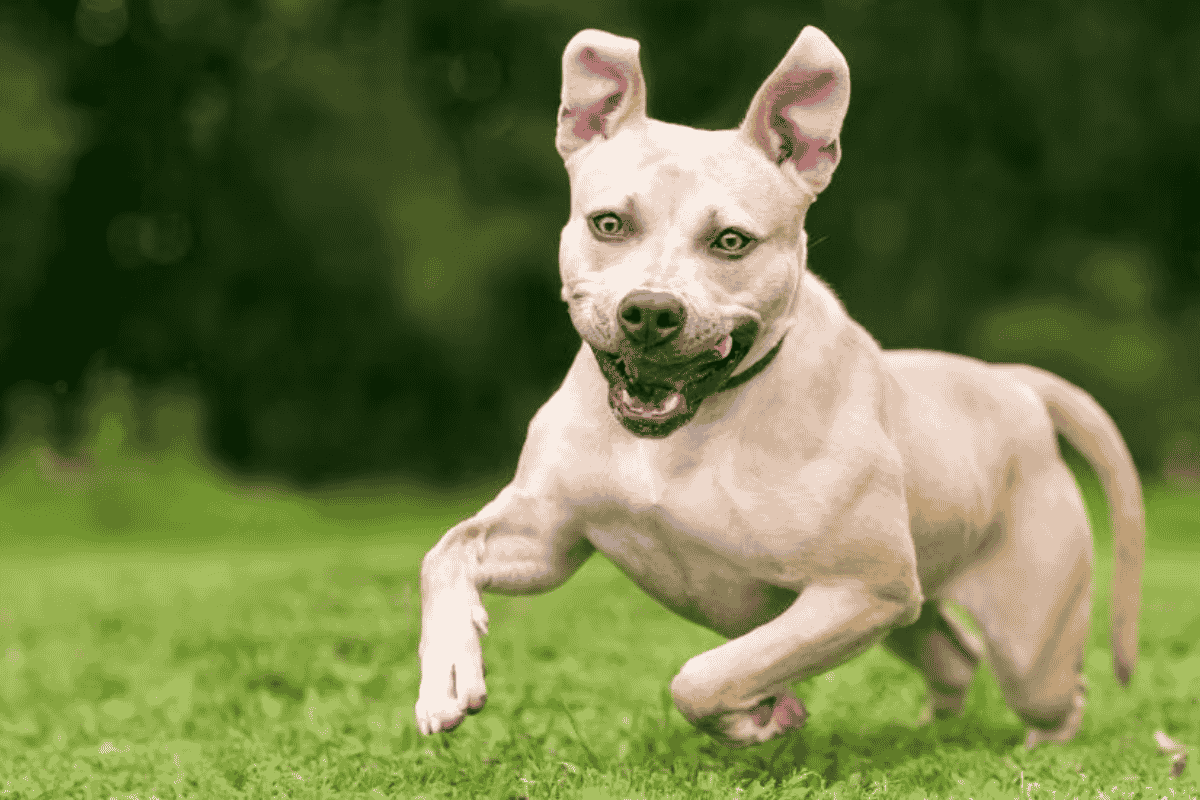
Relaxed posture, soft eyes, loose wagging tails, and a calm demeanor all signal comfort. By contrast, stiffness, avoidance, or tension may suggest worry or mistrust. A dog that looks relaxed in your presence trusts you deeply.
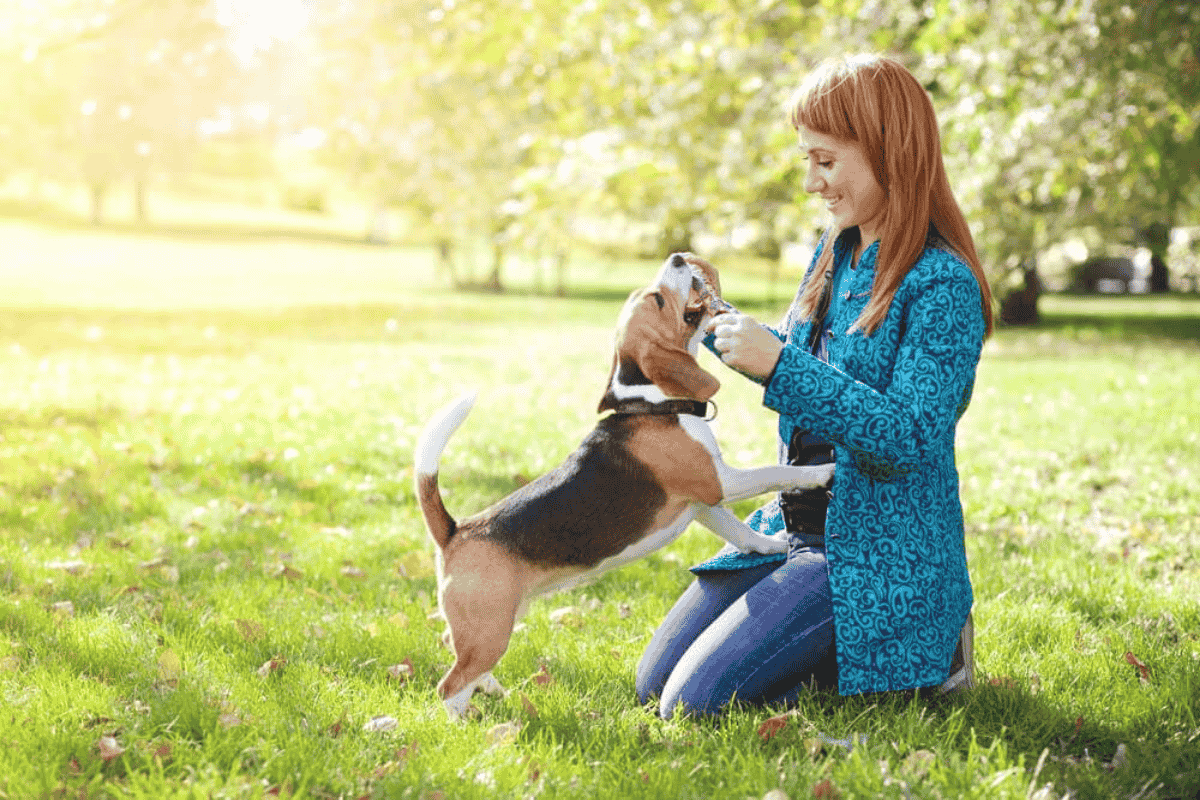
4. Training Together Is Fun
Trust makes training enjoyable. Positive reinforcement—like rewarding with treats and praise—creates a sense of collaboration. Mistakes aren’t failures but chances to learn together, strengthening both communication and trust.
5. You’re Their Support System
In moments of stress, a trusting dog looks to you for reassurance. Whether it’s loud noises or an unfamiliar person, your dog turns to you because they see you as their safe space.
6. You’re Snuggle Buds
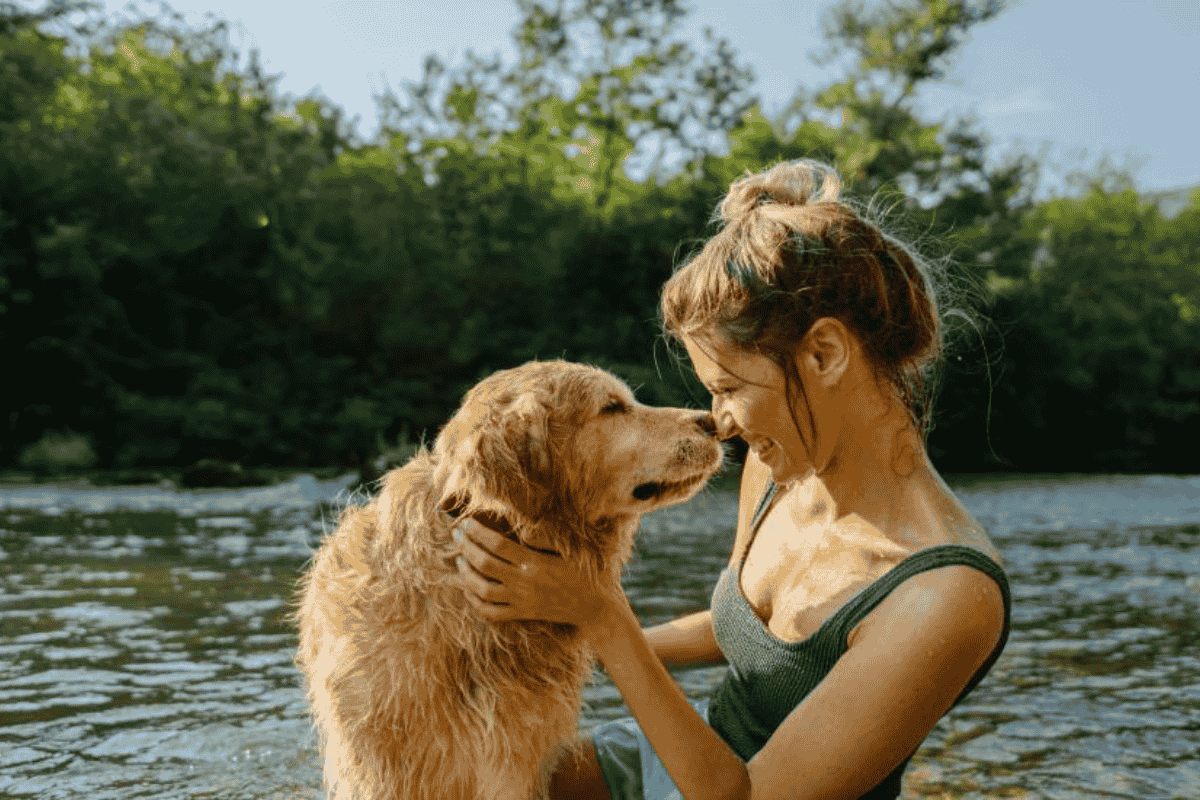
Cuddling is one of the sweetest trust signals. From curling up beside you to resting a paw on your foot, physical closeness shows they feel secure and connected at the end of the day.
How to Build Trust With Your Dog
Even if you’re unsure whether your dog fully trusts you yet, there are proactive ways to nurture it:
Don’t Force Engagement
Respect your dog’s comfort levels with new people or situations. Forcing interactions can erode trust, while allowing choice reinforces safety.
Learn Dog Body Language
Understanding subtle cues helps you step in before your dog becomes overwhelmed. Recognizing stress signals shows your pup you’re tuned in to their needs.
Avoid Yelling
Frustration is natural, but yelling chips away at trust. Instead, evaluate why behaviors aren’t working—often, it’s about training consistency rather than disobedience.
Allow for Choices
Dogs have little control over their lives. Letting them choose which path to walk or how long to sniff gives them agency, fostering mutual respect and deeper trust.
Trust is the foundation of your relationship with your dog. When nurtured, it transforms daily care, play, and training into experiences that strengthen your bond. By respecting your dog’s individuality and offering patience, consistency, and choice, you’ll build a lasting trust that’s as rewarding for you as it is for them.